Visiting Sri Lanka in the Off-Season: Why the Quiet Months Are the Best Kept Secret
There is something special about Sri Lanka during the quieter months.
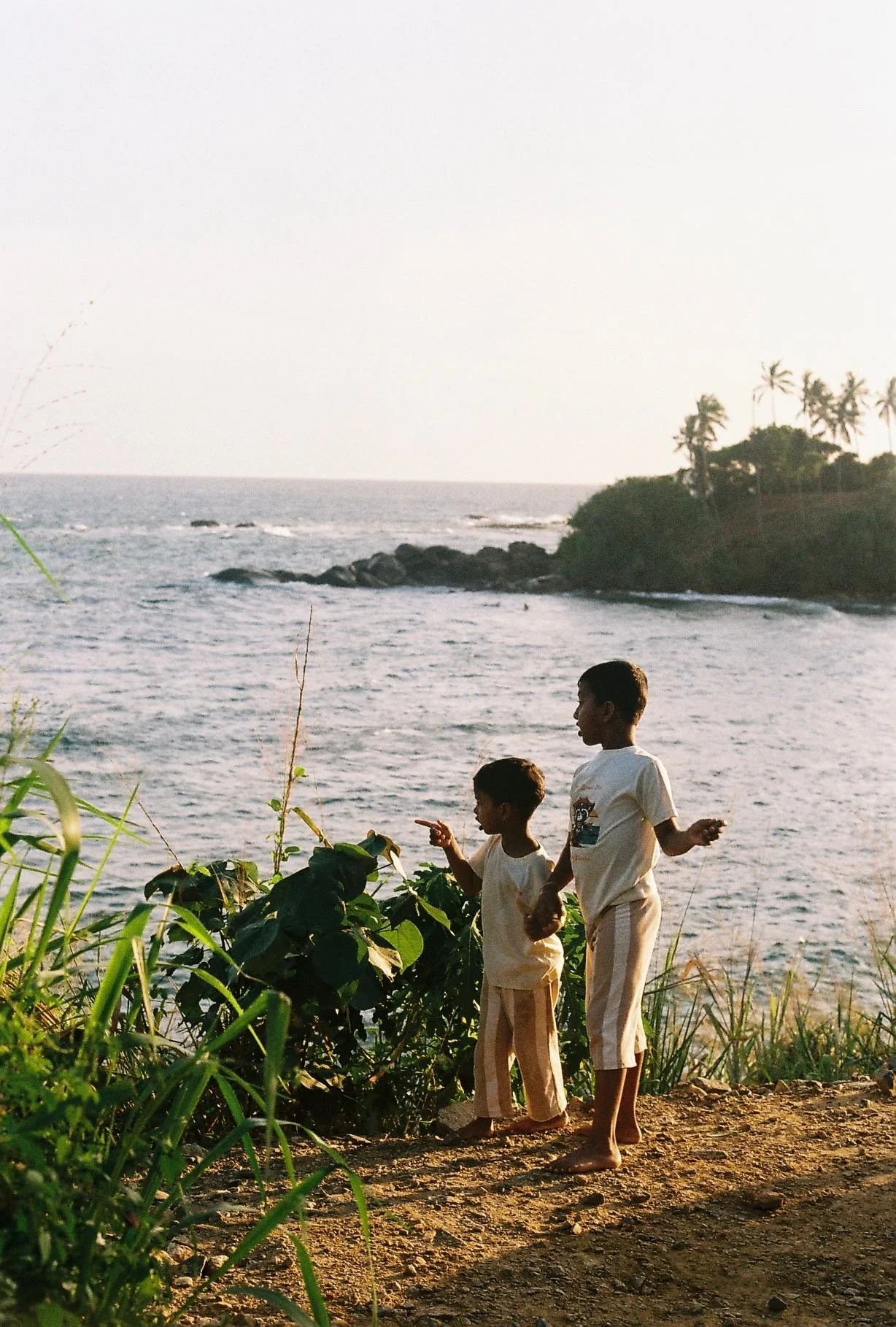
When the peak-season crowds slow down and the pace softens, the island reveals another side of itself — calmer beaches, empty surf spots, slower mornings, and golden sunsets shared with only a few people around. If you’ve been wondering whether to visit Sri Lanka outside the main tourist season, the answer, at least on the south coast, is a quiet and confident yes.
At Into the Blue in Unakuruwa, between Tangalle and Hiriketiya, this is actually one of our favourite times of the year. Here’s why.
When Is the Off-Season in Sri Lanka’s South?
The south coast of Sri Lanka runs on a seasonal rhythm shaped by the monsoon. The peak tourist season typically runs from November to March, when dry, sunny weather draws the largest crowds to Mirissa, Hiriketiya, and Tangalle.
From around May through to September, the southwest monsoon brings occasional rain and stronger swells to the south — and with it, a noticeable quietening of the coastline. This is the shoulder and off-season period.
What most first-time visitors don’t realise is that “off-season” does not mean closed, or wet every day, or without things to do. It simply means a different pace — and for the right kind of traveller, it’s actually the better time to come.
What the South Coast Looks Like in the Quieter Months
In Unakuruwa, the difference between seasons is felt rather than seen. The beaches are emptier. The surf lineups have more space. Mornings at the yoga shala feel more intimate. Evenings on the terrace feel more still.
The nature around Into the Blue becomes even more alive during this time. The jungle is greener, birds are more active, and the garden fills with sounds that get drowned out in busier months. You may spot kingfishers, giant squirrels, and — if you are lucky — the rare grizzled giant squirrel that lives in the cashew trees nearby.
This is the season that invites you to reconnect with simple things:
• Morning yoga surrounded by jungle sounds
• Long walks to untouched beaches with no one else in sight
• Reading in a hammock while monkeys wander through the canopy above
• Unhurried surf sessions at Unakuruwa Bay
• Deep rest, away from schedules and noise
Is It Still Worth Surfing in the South During the Off-Season?
Yes — with the right expectations.
The south coast does get larger, more powerful swells from May onwards, which can make conditions less suitable for complete beginners. However, for intermediate and more experienced surfers, this period can offer some of the most exciting waves of the year at nearby breaks.
For beginners, we always assess conditions on the day and can redirect to calmer spots when needed. Our local surf coach Chami knows this coastline in every season and will make sure you are surfing somewhere appropriate for your level.
Many guests who visit during the quieter months specifically come for the emptier lineups and the more personal coaching experience.
Yoga in the Off-Season: More Space, More Depth
With fewer guests around, yoga classes at Into the Blue during the quieter months tend to be smaller and more intimate. There is more time for individual attention, hands-on adjustments, and personal guidance — something that is harder to offer when the property is fully booked.
If you have ever wanted to deepen your practice in a quiet tropical setting without the social buzz of a busy retreat, this is the ideal time to visit. Our daily 8am Vinyasa class in the open-air jungle shala runs year-round (3000LKR pp), and private classes can be arranged on request.
Lower Prices, More Availability
One very practical reason to consider the off-season: it costs less.
Room rates at Into the Blue are lower from May through October, and availability is much easier — you are not competing with peak-season demand for the cabins or the villa. If you have flexibility in your travel dates, this is when you get the most value.
It is also worth noting that many of the south coast’s best restaurants, cafés, and local experiences remain open and operating during this period. The area does not shut down — it simply breathes a little easier.
Who Is the Off-Season Perfect For?
This quieter time attracts a specific kind of traveller, and we have come to know them well. The off-season at Into the Blue tends to suit:
• Remote workers and digital nomads looking for a peaceful base in nature with reliable WiFi and a good daily routine
• Solo travellers wanting space to think, write, or simply reset without the noise of peak season
• Couples seeking a genuinely quiet retreat without having to compete for beach space or restaurant tables
• Yoga practitioners wanting a more intimate, less crowded class environment
• Surfers comfortable in bigger waves looking for emptier, more exciting breaks
• Budget-conscious travellers who want the same experience for less
A Typical Off-Season Day at Into the Blue
To give you a sense of what it actually feels like, here is how a quiet day in the off-season might unfold:
You wake up to birdsong. The jungle is cool and green. You roll out of bed, walk two minutes to the open-air shala, and join a small yoga class — maybe four or five people — as the light filters through the palm trees above.
After class, breakfast is waiting: fresh fruit, homemade granola, local curd with honey, a coconut roti. You eat slowly, watching a kingfisher land in the garden.
The morning is yours. You might walk down to Silence Beach — likely empty — or take a scooter along the coast. The afternoon brings a surf session with Chami, conditions assessed on the day. Then a massage under the palms to finish.
In the evening, the property settles into a particular kind of quiet that is hard to find anywhere else. Fireflies drift through the garden. The sound of the ocean carries up from the bay.
Sri Lanka does not always need to be rushed.
Getting to Unakuruwa
Into the Blue is located in Unakuruwa, a small coastal village between Tangalle and Hiriketiya on Sri Lanka’s south coast. The nearest airport is Bandaranaike International Airport in Colombo, approximately 3 to 4 hours away by car or private transfer. Buses run regularly between Colombo and Tangalle if you prefer a local option.
Ready to Experience the Quiet Season?
→ Check availability and book your stay directly with us
Or reach out via WhatsApp to ask about current availability, room rates, and what to expect during your visit: +94 71 671 8557
We look forward to welcoming you to Into the Blue — in any season, but especially this one.